
 产业资讯
 药明康德
 2026-11-11
 363
八年前,寡核苷酸与多肽类药物还是一个“小众领域”。今日,这两类疗法已经迈入创新疗法的主流。与这一汹涌的新分子浪潮同行的,是药明康德旗下专注为寡核苷酸与多肽药物提供一体化赋能的WuXi TIDES平台。
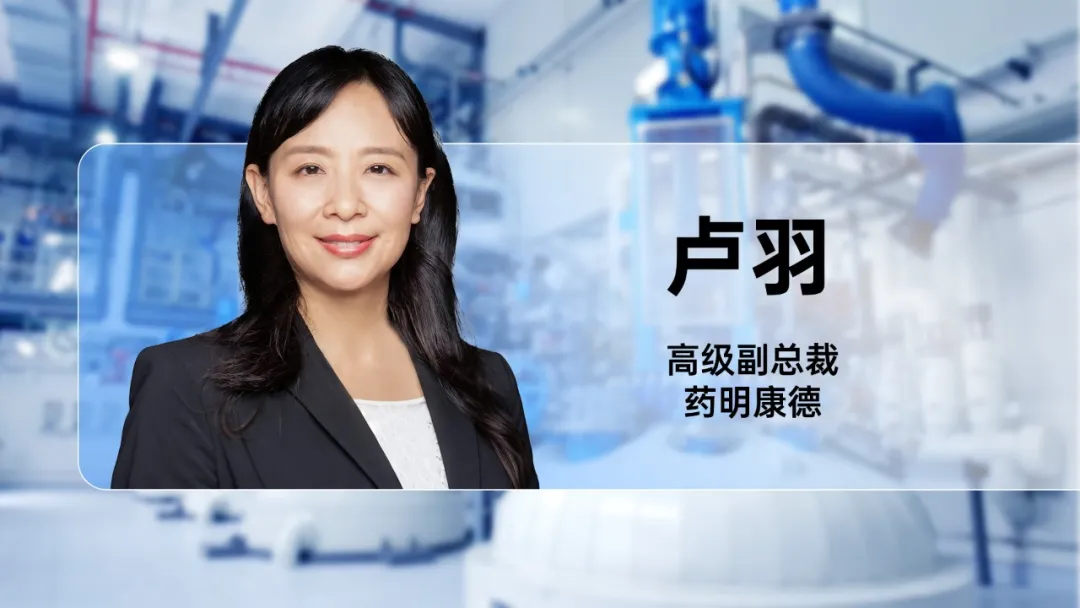
“早在2018年,我们就看到了寡核苷酸和多肽疗法的巨大潜力。”药明康德高级副总裁、WuXi TIDES负责人卢羽女士在接受行业媒体BioWorld采访时表示。洞察到产业的发展趋势后,该平台应运而生,卢羽团队正是其主要搭建者。在这八年的时间里,寡核苷酸和多肽疗法发展速度之快、进展步伐之大,超出了许多人的预期。
提前预判潮流趋势的WuXi TIDES则一路乘风破浪。当前,WuXi TIDES平台正承载着全球300多个临床前到各个临床阶段的寡核苷酸或多肽新药开发项目。在过去的12个月里,其药物发现团队交付的化合物更是超过了18万个。
从零到一:建设TIDES平台
时间回到2018年,药明康德开始系统性搭建寡核苷酸和多肽疗法的研发赋能体系。
这一决策需要勇气。八年前,寡核苷酸仍旧是一类小众疗法。彼时,首款小干扰RNA(siRNA)疗法patisiran刚获美国FDA批准,成为该领域的标志性事件。
然而当时的寡核苷酸药物高度集中于罕见病和遗传性疾病,所针对的也是极少数已经得到验证的靶点。以patisiran为例,该疗法适用于治疗遗传性转甲状腺素蛋白介导的淀粉样变性多发性神经病(hATTR-PN),全球患者总数估计仅有5000至10000人。
相比寡核苷酸,多肽药物的历史则更为悠久。1922年,胰岛素被用于治疗糖尿病患者;20世纪60年代,固相多肽合成技术(SPPS)问世,可快速合成多肽分子。这也奠定了多肽药物发展的基础。2019年发表的一篇综述显示,全球当时已获批的多肽药物超过60款,另有150款多肽分子处于临床开发阶段。
和寡核苷酸一样,业内并没有将多肽视为治疗疾病的常规武器。“在许多人看来,多肽只是一些特殊情况下的特殊解决方案,只能针对特定的靶点。”卢羽说道。
但生物医药产业瞬息万变。如今,全球获批问世的寡核苷酸药物已超过25款。截至今年9月底,处于临床开发阶段的寡核苷酸药物也有350款,并且适应症范围得到了大幅拓展,不再局限于罕见遗传疾病。
而随着胰高血糖素样肽-1(GLP-1)受体激动剂的异军突起,多肽药物领域更是发生了翻天覆地的变化——这类药物证明,通过工程化改造,如今的多肽分子能在一些重大慢性疾病领域带来极富临床和商业影响力的创新药物。口服司美格鲁肽(semaglutide)更是一个重要范例,表明制剂与递送技术的创新,能够突破传统注射给药的局限,为多肽药物拓展更多可能性。
“如今,寡核苷酸和多肽分子正变得愈发复杂,”卢羽说道,“WuXi TIDES的能力体系也在不断迭代,不仅能为客户的项目提速,还能确保一如既往的高质量。”
直面挑战:解决分子复杂度的难题
正如卢羽所言,TIDES领域的迅猛发展,引发了一系列连锁反应:分子更多、结构更复杂、应用边界也在不断快速拓展。
以多肽药物为例,目前获批的多肽疗法接近100款,位于临床开发阶段的候选分子超过450个。和2019年相比,前者增加约五成,后者则增至约三倍。倘若要统计临床前发现阶段的分子,数量则要更多。
这不仅仅是数量的激增。从分子的复杂性上看,如今的产业早已超越简单复现天然多肽或天然多肽激素的结构。创新药企正通过工程化设计,赋予多肽分子更强的稳定性、更长的作用时间、更复杂的偶联策略,以及更精准的递送能力。
寡核苷酸疗法也同样如此。“如今,寡核苷酸的焦点已转向肝外组织递送。”要触达更多样的目标组织,这些分子的结构需要经历高度复杂的化学修饰,或是形成复杂的偶联物。目前,诸如多肽-PMO偶联物(PPMO)和抗体-寡核苷酸偶联物(AOC)等疗法能有效将寡核苷酸药物递送至肌肉组织,为杜氏肌营养不良症(Duchenne Muscular Dystrophy)等疾病带来新的曙光。
递送之外,前沿的寡核苷酸疗法也正在尝试针对多种靶点。譬如一种叫做“双靶点siRNA(di-siRNA)”的创新分子可以同时靶向两段不同的目标RNA序列,因此得到了产业的诸多关注。
但这种特性也增加了分子的复杂性——这类分子拥有三条RNA链,其中一条“正义链”(sense strand)长度超过40个核苷酸,约为常规siRNA的两倍。此外,它还具有两条较短的“反义链”(antisense strand)。在拓展治疗边界的同时,这类分子的复杂结构意味着偶联步骤更多、产率更低,对合成与分析带来了极大的挑战。
“利用AI等创新工具,产业目前能够很好地设计出具有治疗潜力的复杂分子,”卢羽说道,“但从设计一个分子,到成就一款药物,中间横亘着巨大的鸿沟。通过可重复、可规模化、且成本可控的方式,将候选分子转化为临床新药,这才是更大的考验。”
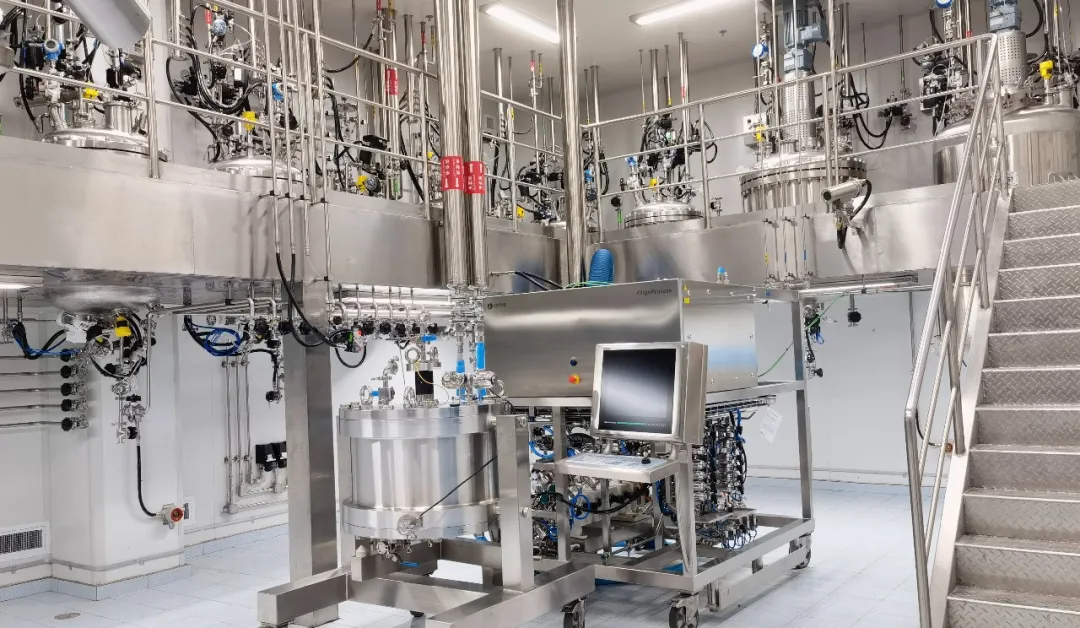
▲药明康德位于常州基地的寡核苷酸合成车间(图片来源:药明康德)
而要跨越这些鸿沟,不单单需要一体化的研究、开发与生产能力,来高效赋能这些愈发复杂的分子。“对于WuXi TIDES而言,这还意味着需要提前预判产业趋势,不断建设自身,让平台能力始终走在需求前面。”卢羽补充道。
平台破局:一体化的系统提速
WuXi TIDES的自身能力建设体现在两个方面:首先是不断提升在化学、制剂以及分析领域的科学专长;其次是不断寻找更高效的团队协作模式,让跨项目、跨团队、跨学科的合作变得更为紧密顺畅。在卢羽看来,平台能力“并不依靠单项突破”,而是作为一个整体进行提升。这也让WuXi TIDES不再只是一个单纯的服务提供者,而是真正进化为和客户并肩前行的合作伙伴。
在研发周期不断被压缩的当下,这种合作关系尤为重要。如今,从苗头化合物发现起步,经临床前候选化合物(PCC)确认,再到原料药/制剂(DS/DP)开发以及新药临床试验申请(IND)的申报,整个过程就像是一场接力跑,处处充满了“掉速”的可能。而一体化的平台能力,正在重新定义交接的方式。
在一个复杂的siRNA-GalNAc偶联项目中,WuXi TIDES团队与客户携手,从苗头化合物发现一路推进,历经临床前PCC确认与原料药/制剂开发,仅用15个月即抵达IND申报就绪阶段。其中,从苗头化合物到PCC仅用了约8个月,从PCC到IND就绪也只用了7个月出头。
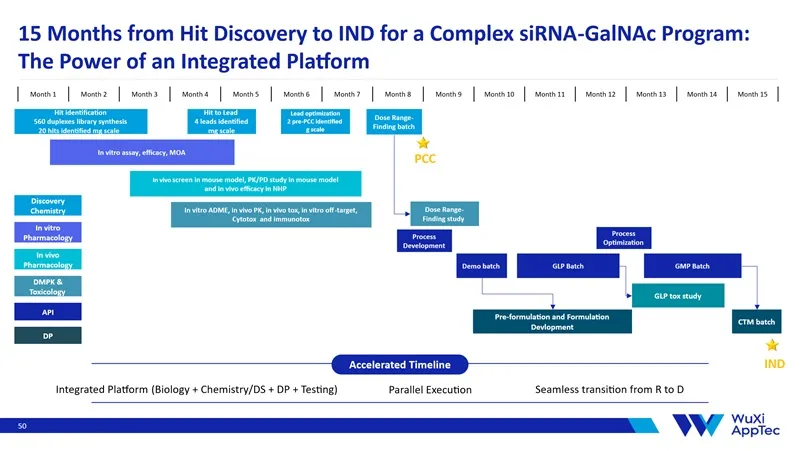
▲WuXi TIDES团队在15个月内推进一款siRNA-GalNAc从Hit到IND就绪阶段(图片来源:药明康德)
卢羽指出,两到三年前,一个典型的DS/DP一体化siRNA IND-CMC项目,通常需要10到12个月才能完成。“如今我们能将同类项目的平均时间压缩到7、8个月”,节省约三成的时间。
想要达到这样的速度,就不能在以后出现CMC问题的时候,才去想着解决。“在实验室中可行的合成工艺,不代表在大规模的临床或商业化生产中也同样适用。我们必须在项目早期就将各个阶段可能遇到的问题纳入考量。”卢羽说道,“所以越来越多的客户选择在药物发现阶段就与WuXi TIDES团队合作,以便在选定临床前候选化合物的同时,就为下游的制剂开发等工作做好准备。”
对于需要考虑不同递送策略的TIDES疗法,这样的一体化能力尤为关键。“没有一套方案能够满足所有分子的递送需求。因此,每一个项目都需要根据载荷特征、目标组织、作用机制、以及给药方式综合考虑,独立设计最佳方案。”
而这正是WuXi TIDES的优势所在。“从寡核苷酸或多肽的发现,到工艺、化学、连接子与配体设计,再到复杂的偶联策略,最终落地于制剂开发与生产。我们将这些分散在不同阶段的能力整合在同一个平台内,为合作伙伴的创新提供加速。”
产能进阶:规模与可持续并行
如果说早期药物开发阶段需要考虑的,是“能否将创新分子做出来”,那么当分子进入临床阶段后,创新企业所面临的问题就是“能否稳定、高效地大规模生产”。
过去几年,GLP-1受体激动剂取得了巨大成功。但在急剧攀升的市场需求面前,传统的多肽产能体系却开始捉襟见肘。为了解决产业的挑战,WuXi TIDES平台稳步提升产能,在短短四年时间里,平台的固相多肽合成产能提升逾20倍——从2022年的6000升,增至目前的逾13万升。此外,WuXi TIDES也增强了全球供应体系,以更好地支持多肽药物的大规模生产。
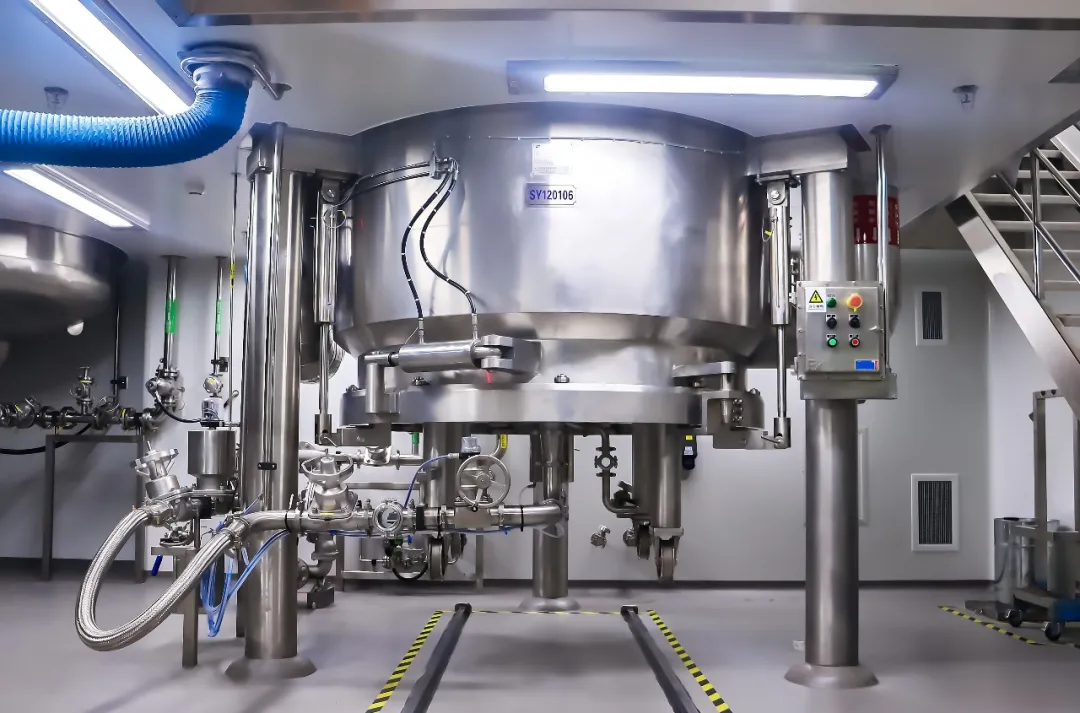
▲药明康德的多肽合成车间,图中为一个5000升的反应釜(图片来源:药明康德)
除了这些人人看得到的“外功”,WuXi TIDES还在不断修炼“内力”,打造更可持续、更高效的多肽药物生产流程。在业内,工艺质量强度(Process Mass Intensity,PMI)是评估绿色化学的一个重要指标,它反映的是生产一公斤多肽,需要多少起始物料。2024年发表于The Journal of Organic Chemistry的一篇综述显示,对于商业化生产的多肽API,SPPS的PMI约为13000,这不仅远高于小分子药物(PMI中位数为168–308),甚至高于其他生物制品(约8300)。
“如果只是简单扩大原有技术的规模,依旧无法从根本上解决多肽生产领域长期存在的成本与环保挑战。”卢羽说道,“因此在产能建设过程中,我们与客户紧密合作,逐渐建立更高效,也更绿色的生产工艺。”
同样是在2024年,WuXi TIDES的内部数据显示,通过优化反应体积、精简洗涤流程、改进偶联条件、以及优化溶剂体系等一系列举措,其多肽SPPS的PMI已降至3659。到了2025年,这一数据进一步减少至3303。也就是说,相比行业平均水平,每生产一公斤多肽,WuXi TIDES平台就可以节省超过70%的起始物料。这不仅更为环保,也大幅提升了多肽生产的效率,能有效解决产业产能不足的燃眉之急。
总体来看,无论是在上下游工艺开发方面的深厚积累,还是从实验室到规模化生产的顺畅转化,或是对生产运营体系的持续优化,WuXi TIDES团队都已打造了贯穿整个多肽原料药全价值链的独有能力,为客户提供更好的赋能。
初心不改:一切为了病患
尽管寡核苷酸和多肽药物领域正在不断发展,但在卢羽看来,如何将日益复杂的分子转化为能够稳定生产、规模化供应、且成本可控的药物,才是推动这一领域继续向前的关键。对于WuXi TIDES而言,更早与客户开展协作、利用一体化平台缩短开发周期、并以新型技术提升生产效率,都有助于打通从分子到药物的路径。
这些进步带来的意义,往往在客户的一通电话、一封邮件、或是一次来访中不经意体现。当客户们分享项目达到重要里程碑,或是患者从中受益的消息时,卢羽总能感到激动:“客户的分子不再只是一个构想,而是真正成为治疗患者的药物。能够为其赋能,我们与有荣焉。”
这些时刻也不断激励着WuXi TIDES团队精益求精。“因为我们参与的每一个项目、赋能的每一个分子,另一端都是一位位活生生的患者。”
Rising TIDES bring drug development – and patients – to new shores
Over the past eight years, oligonucleotide and peptide drugs – collectively, TIDES – have grown from specialized technologies into mainstream drug development platforms. WuXi TIDES, the WuXi AppTec platform specializing in Contract Research, Development, and Manufacturing Organization (CRDMO) services for these molecules, has grown along with them.
“Eight years ago, we knew peptides and oligonucleotides had enormous potential, but we didn't fully anticipate how quickly they would move from some specialized technologies into the mainstream drug development platforms,” Yu Lu told BioWorld.
As senior vice president and head of WuXi TIDES and WuXi Chemistry Business Operations, she has helped build the TIDES-focused business. Today, WuXi TIDES supports more than 300 active oligonucleotide or peptide drug candidates across development stages, and its discovery team delivered more than 180,000 compounds in the past 12 months, according to Lu.
The Beginning
WuXi TIDES began building its research and development playbook in 2018. Since then, “we are applying and continuously improving this playbook across all these increasingly complex molecules, seeking ways to accelerate development without compromising quality.”
Both the oligonucleotide and peptide markets have grown enormously over that period, though they have done so from different starting points.
In 2018, oligonucleotides were a niche therapeutic class, albeit one with obvious potential. That year brought the approval of the first siRNA therapy in the form of Onpattro (patisiran, Alnylam Pharmaceuticals, Inc.), which was a milestone for the field.
“Oligonucleotide development was pretty much concentrated on rare diseases, genetic diseases, and a very small number of other validated targets,” Lu said.
When Onpattro, for example, was approved for treating polyneuropathy of hereditary transthyretin-mediated amyloidosis (hATTR-PN), the FDA estimated the prevalence of the disorder at between 5,000 and 10,000 people. Globally.
Today, Lu estimates that more than 25 oligonucleotide drugs are commercially available, while public data showed 350 in clinical development at the end of September this year.
Peptides as a therapeutic class have a much longer history – the first patient was treated with insulin in 1922, and solid-phase peptide synthesis (SPPS), which allowed fast and automated synthesis, was developed in the 1960s.
A 2019 review paper identified over 60 approved peptide drugs worldwide, and 150 peptides in active clinical development. But like oligonucleotides, their development was concentrated in a few applications. “Many of the innovators viewed peptides as very specialized options for some particular biological targets,” Lu said.
The success of GLP-1 agonists overturned that image. Collectively, the class showed that “peptide engineering can now deliver medicines with both clinical and commercial impact in some of the major chronic diseases,” she said. And oral semaglutide set an important example of how formulation and delivery innovation can expand the possibilities of a traditional injectable peptide.
The challenge
As a result, there are more TIDES molecules, those molecules are more complex, and there are many more eligible patients who could benefit.
For example, the enormous success of GLP-1 agonist peptides led to a major manufacturing bottleneck for this drug class. More generally, Lu said, “there are nearly 100 approved peptide drugs worldwide, and more than 450 drug candidates that are in phase I to phase III clinical development stages. There are a lot more in the preclinical discovery stage.”
And peptides have grown in their complexity as well as their numbers.
“We have moved well beyond simply reproducing the natural peptides or natural peptide hormones,” Lu added. “Innovators are engineering peptide molecules with much improved stability, longer duration of action, more complex conjugation strategies, and much more ambitious delivery goals.”
For oligonucleotide therapeutics, “today the major focus is on extrahepatic delivery.” Reaching these tissues requires increasingly complex structures, chemical modifications, and conjugates. For example, peptide-conjugated phosphorodiamidate morpholino oligomers (PPMOs) and antibody–oligonucleotide conjugates (AOCs) have enabled the delivery of oligonucleotides to muscle tissue to treat disorders like Duchenne Muscular Dystrophy.
Developers are also pursuing more complex targeting strategies. Lu described di-siRNA, a dual-targeting siRNA that can target two distinct mRNA transcripts, functioning as an RNAi-based analogue to bispecific antibodies.
These molecules contain three strands: a long sense strand of more than 40 nucleotides—roughly twice the length of a typical siRNA—and two antisense strands. The additional coupling steps can lower yields and complicate synthesis and analytical control. “It’s a real challenge,” Lu said.
“The whole industry has become very good at designing some promising, very complex molecules, by using AI and some other advanced tools,” she added. “But the harder problem is turning these molecules into reproducible, scalable and affordable clinically useful medicines. So, there's a big gap from designing a molecule to delivering a medicine."
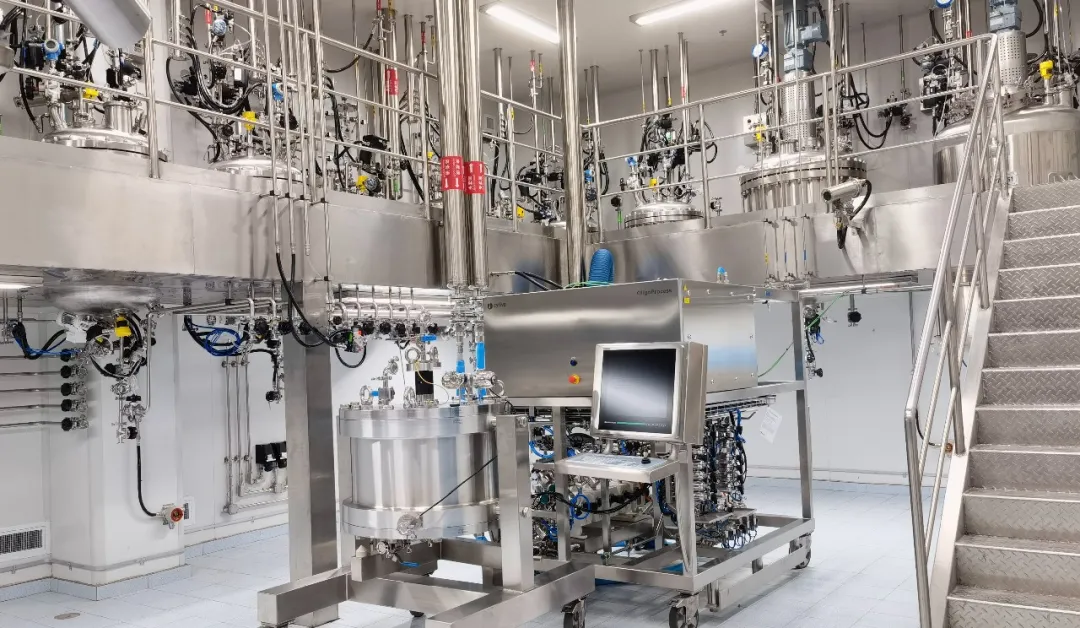
▲An oligonucleotide synthesis plant at WuXi AppTec’s Changzhou site (Image
source: WuXi AppTec)
Closing that gap requires research, development and manufacturing capabilities to advance alongside molecular design. For WuXi TIDES, Lu said, that means anticipating what emerging programs will need and building the required capabilities accordingly. “As the science is moving ahead, our goal is to continuously build our platform before complexity becomes a bottleneck.”
Speed through integration
WuXi TIDES’ approach combines deeper scientific expertise with closer coordination among teams. Its chemistry, formulation and analytical capabilities have matured while teams have become more closely integrated across development programs. “It's not one single breakthrough or improvement we made,” Lu said. That combination allows the company to work as a development partner as well as a service provider.
Development timelines have accelerated as the field and the science that underpins it have evolved. Preclinical development goes from hit finding to preclinical candidate (PCC) identification, to a drug substance/drug product (DS/DP) that is then optimized by the chemistry, manufacturing and controls (CMC) team to the final molecule that will be in the investigational new drug (IND) filing.
For a complex siRNA-GalNAc conjugate, the WuXi TIDES team collaborated with a client from the hit finding stage through preclinical PCC identification and the DS/DP to the IND-ready stage in 15 months. “About eight months from hit identification to PCC identification,” Lu said. “And another seven months from PCC to IND ready.”
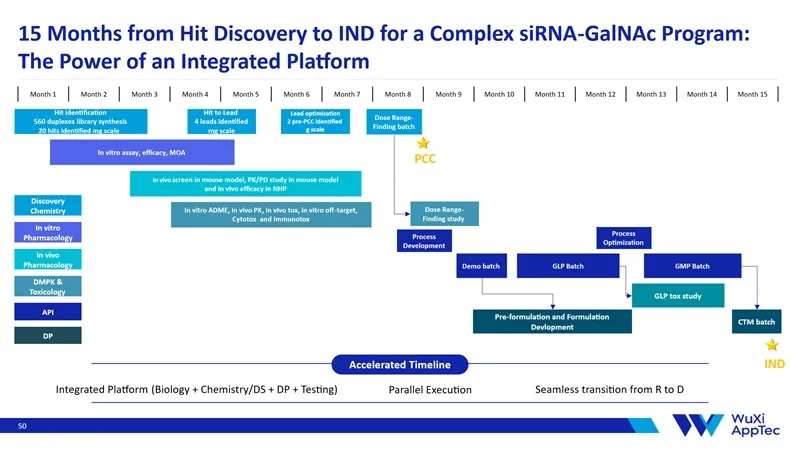
▲WuXi TIDES enables a complex siRNA–GalNAc (Hit → IND) in 15 Months (Image
source: WuXi AppTec)
In addition, two to three years ago, a typical DS/DP integrated siRNA IND-CMC project took WuXi TIDES around 10 to 12 months to complete. “Today, our average for a similar project is 7 to 8 months,” Lu said.
This speed of development, Lu said, means that “you won't have time to say, ‘Oh, let me fix some of the CMC issues later on.’ Many of these issues need to be considered very early on. The lab synthesis doesn't automatically translate into a very robust clinical or a commercial manufacturing process.”
That, in turn, “requires our customer team and our WuXi TIDES team to be partnering very early on in the discovery phase so that we can select the right preclinical candidate and the right formulation for the downstream development.”
She added, “There's no single delivery solution for every molecule. The right approach depends on the payload, the target tissue, the mechanism of action, and your route of administration. WuXi TIDES’ strength lies in bringing all these capabilities together – oligo or peptide discovery, process, chemistry, the payload, the linker, ligand designs, complex conjugation strategies, and executing drug product formulation development and drug product manufacturing.”
Scale-up
Once a molecule has entered the clinical stage, efficient manufacturing becomes another potential bottleneck.
“One important lesson from the growth of the peptide therapeutics in the last few years is that because of the rapid surge of the market demand in peptide due to GLP-1 and other medicines, manufacturing capacity and process efficiency becomes a significant bottleneck for the industry.” The scale at which peptides were historically produced is no longer sufficient for that demand, Lu said, and the pace of change has exceeded many companies’ expectations.
WuXi TIDES has increased its solid-phase peptide synthesis capacity more than 20-fold in four years, from 6,000 liters in 2022 to currently more than 130,000 liters. It has also expanded its global supply chain to support production of large quantities of peptides.
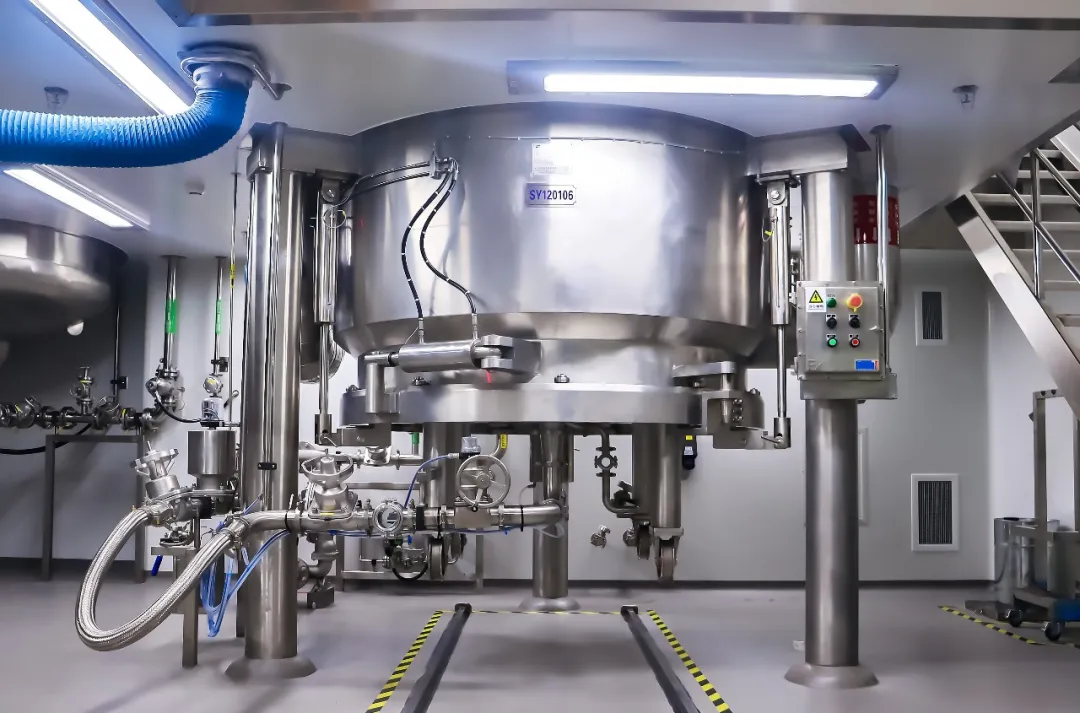
▲A 5,000 L peptide synthesizer (Image source: WuXi AppTec)
At the same time, the company has worked to reduce the environmental footprint of that manufacturing.
“We realize that if we just repeat the old technologies, it doesn't necessarily solve the underlying economics and environmental footprint that is notorious for peptide manufacturing,” Lu said. As WuXi TIDES has ramped up its manufacturing capacity, “through the strong partnership with our clients, we've also implemented a green chemistry mindset.”
Those innovations have paid off in a highly efficient manufacturing process.
Peptide manufacturing is notorious for high process mass intensity (PMI), which is the amount of starting materials needed to make one kilo of peptide. “The PMI for traditional peptide synthesis is much, much higher than, for example, small molecules,” Lu explained.
A 2024 review paper in the The Journal of Organic Chemistry estimated that the PMI for SPPS is about 13,000 for commercial peptide APIs. (The authors dryly noted that this number “does not compare favorably with other modalities.” Small molecules have a median PMI of 168-308. Even other biologics do better than peptides, with a PMI of about 8,300.)
In the same year, WuXi TIDES’ internal benchmark was 3,659 – less than 30% of the industry benchmark reported in the The Journal of Organic Chemistry. In the year of 2025, WuXi TIDES further reduced its commercial API PMI to 3,303. These results reflect WuXi TIDES’ differentiated capabilities across the full peptide API value chain: deep expertise in upstream and downstream process development, seamless translation from lab to manufacturing, and disciplined, ongoing optimization of plant execution.
From molecules to patients
As the TIDES field expands, its progress depends on turning increasingly sophisticated molecules into medicines that can be produced reliably, at scale and at a sustainable cost. Earlier collaboration, shorter development timelines and more efficient manufacturing help close that gap.
For Lu, the meaning of that progress becomes tangible when customers call or email to mark a clinical or commercial milestone or share a patient’s story during a visit.
“What excites me most is when something we worked on stops being a molecule on paper and becomes a medicine that is being tested or treating a patient,” she said.
Those moments connect the daily work of discovery, development and manufacturing to its ultimate purpose: “Because there's a patient at the other end of every program we work on, every molecule we work on.”
 产业资讯
药明康德 2026-11-11
363
 产业资讯
医药魔方Info 2026-11-11
356
 产业资讯
研发客 2026-11-11
365
 热门资讯
 微信公众号